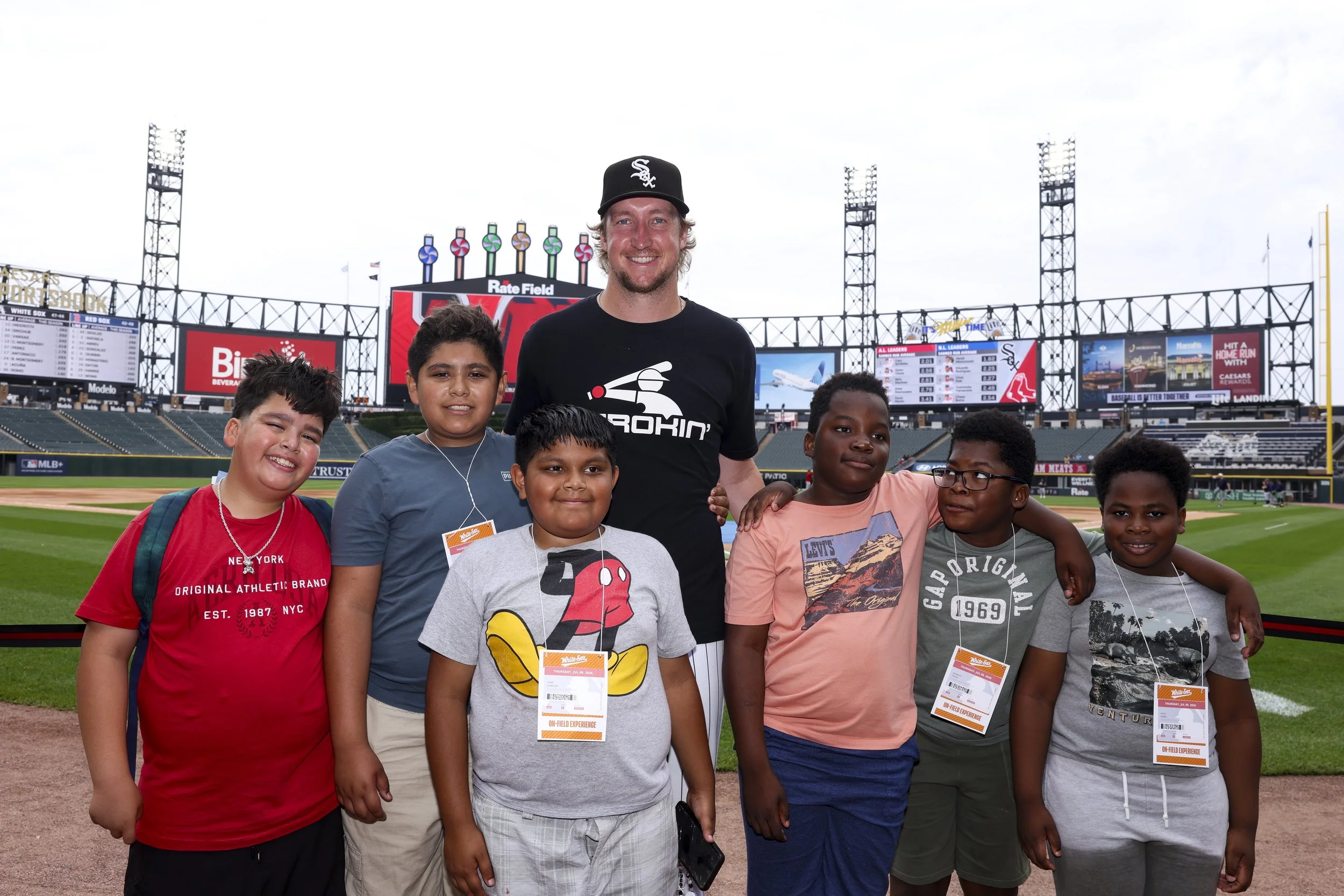
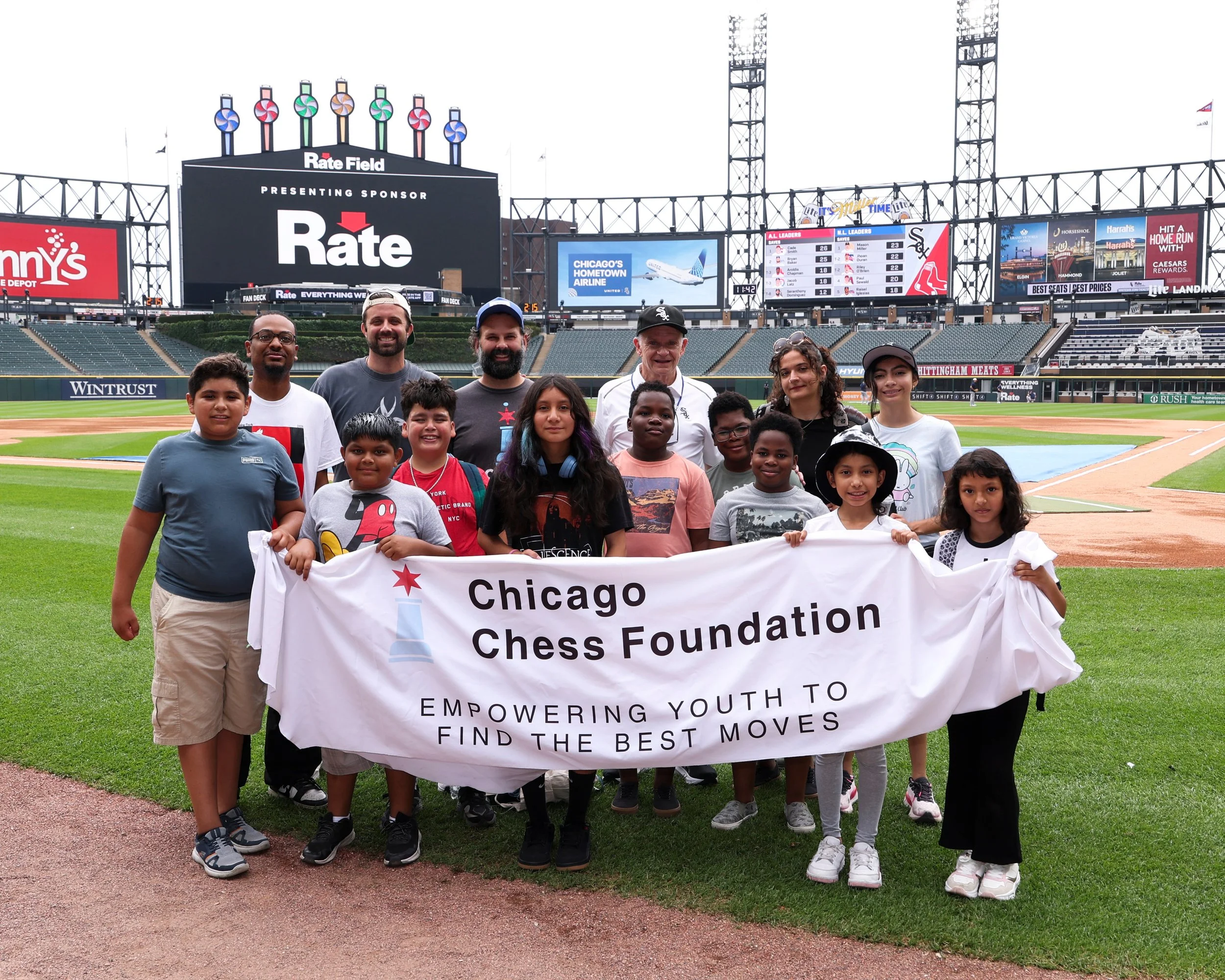
There's a question I’v been getting asked pretty often since talking about this White Sox experience.
"What does going to a baseball game have to do with chess?"
On paper, not much.
One has sixty-four squares. The other has ninety feet between bases.
But that's kind of the point.
A few weeks ago, we took ten of our Chess Scholars to a White Sox game. They met players, walked onto the field before first pitch, watched batting practice from the warning track, and spent an afternoon doing what kids should probably get to do more often: experience something that feels a little bigger than their everyday routine.
The older I've gotten, the less convinced I am that education only happens in classrooms.
I don't remember every worksheet I filled out in school. I barely remember most of my standardized test scores. But I remember my first professional sporting event [Sox vs Ken Griffey Jr’s. Mariners] I remember field trips. I remember the adults who believed I deserved to be somewhere I never imagined I'd go.
Those experiences have a funny way of sticking around.
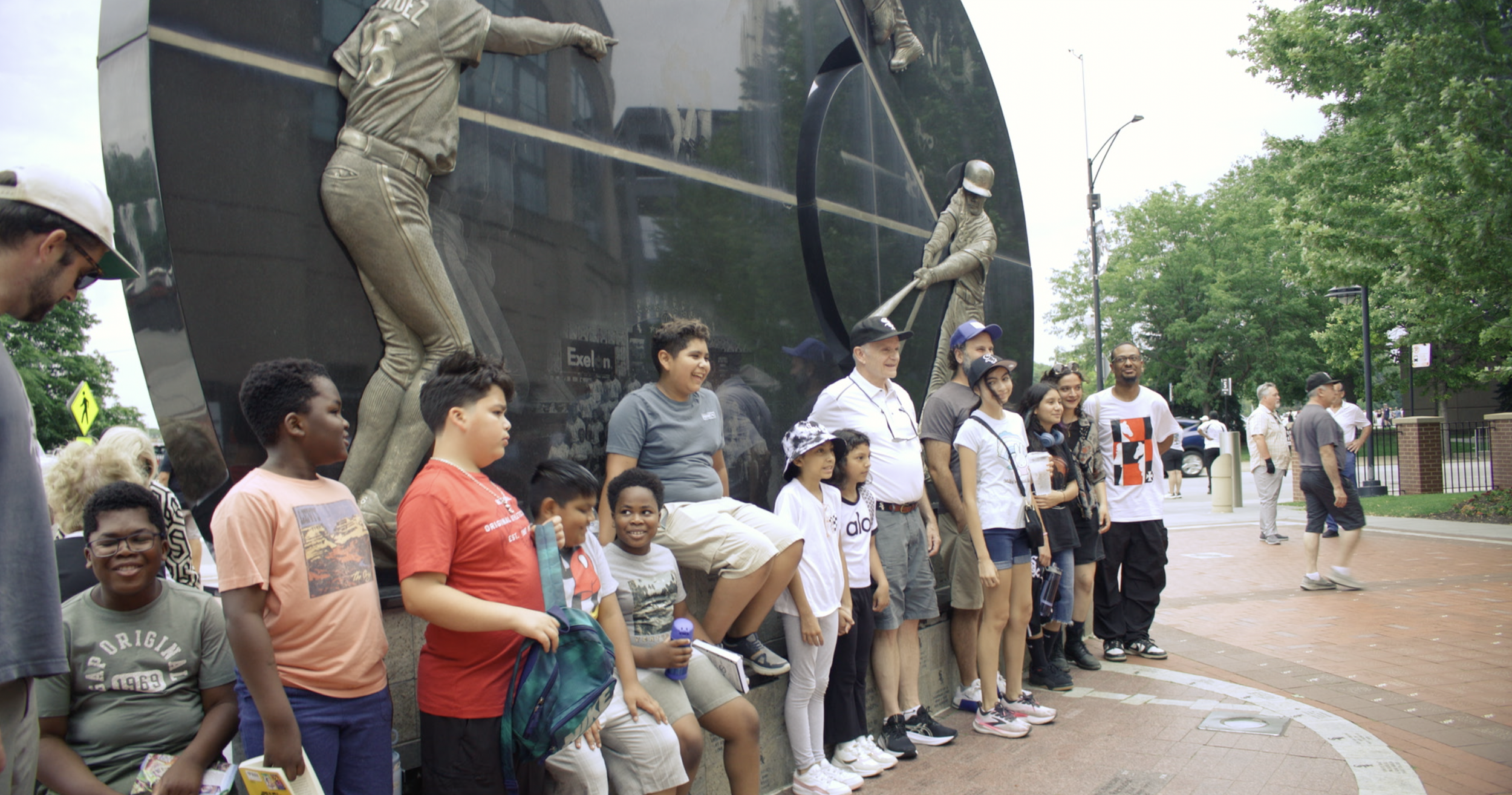
At Chicago Chess Foundation, people sometimes assume we're in the business of creating chess players.
We're not.
We're in the business of creating opportunities.
Chess just happens to be one of the best vehicles I've ever found for opening doors.
The game teaches patience. It teaches responsibility. It teaches you that your decisions matter and that sometimes the consequences don't show up until five or ten moves later. Those are worthwhile lessons.
But eventually, I hope every student realizes the board was never the whole story.
I hope they leave our programs believing the world is much larger than the few neighborhoods they're used to navigating.
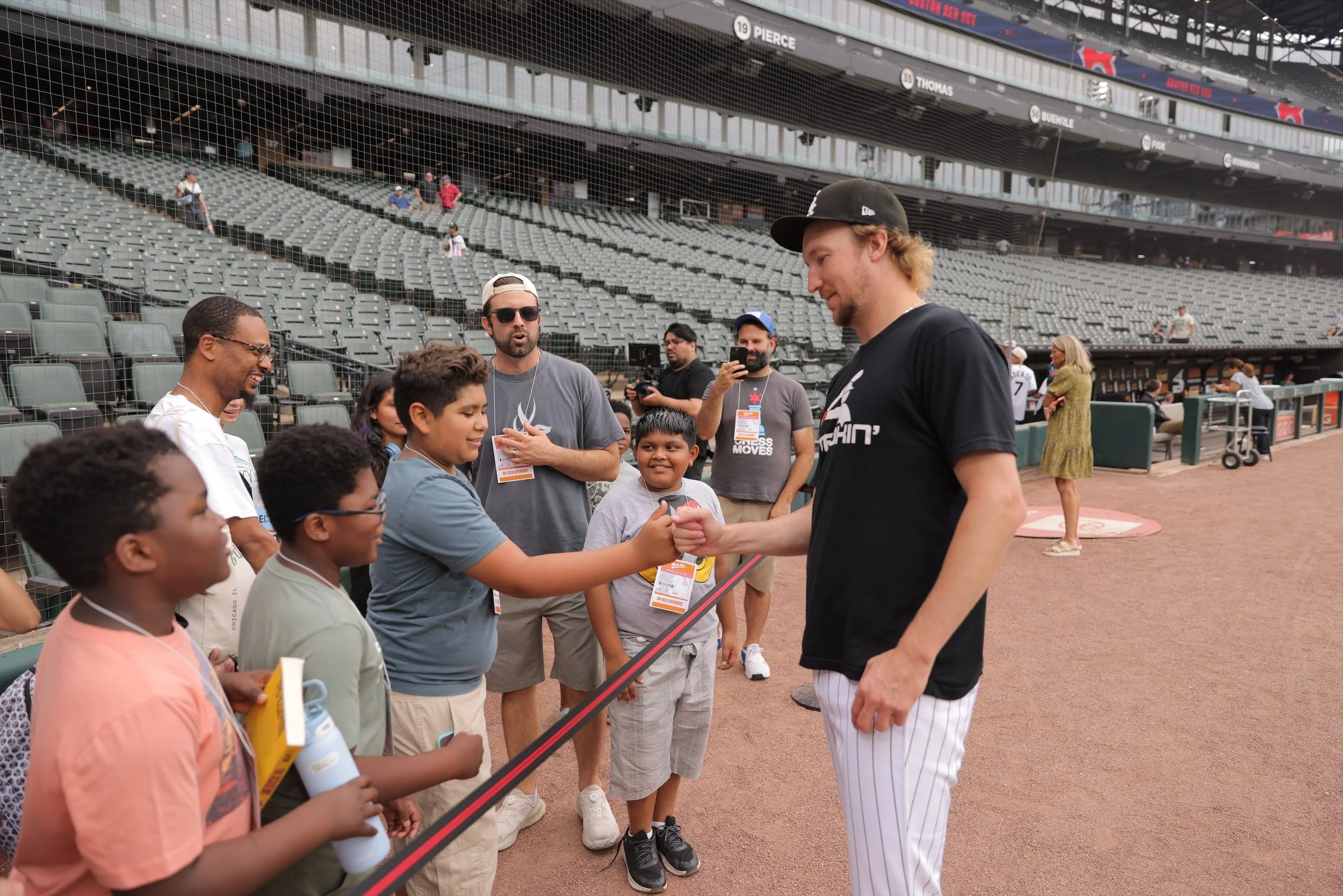
Walking onto a Major League field isn't life changing because of baseball. It's life changing because it quietly expands your imagination.
You start asking different questions.
People actually work here?
How did they get these jobs?
Could I do something like this someday?
Sometimes the biggest gift we can give a young person isn't an answer.
It's a bigger question.
One of my favorite moments from the day wasn't even during the game. It was watching our students react to everything around them. Some were taking photos of the stadium. Some wanted to know how many people fit inside. Others were already planning what snacks they were going to get.
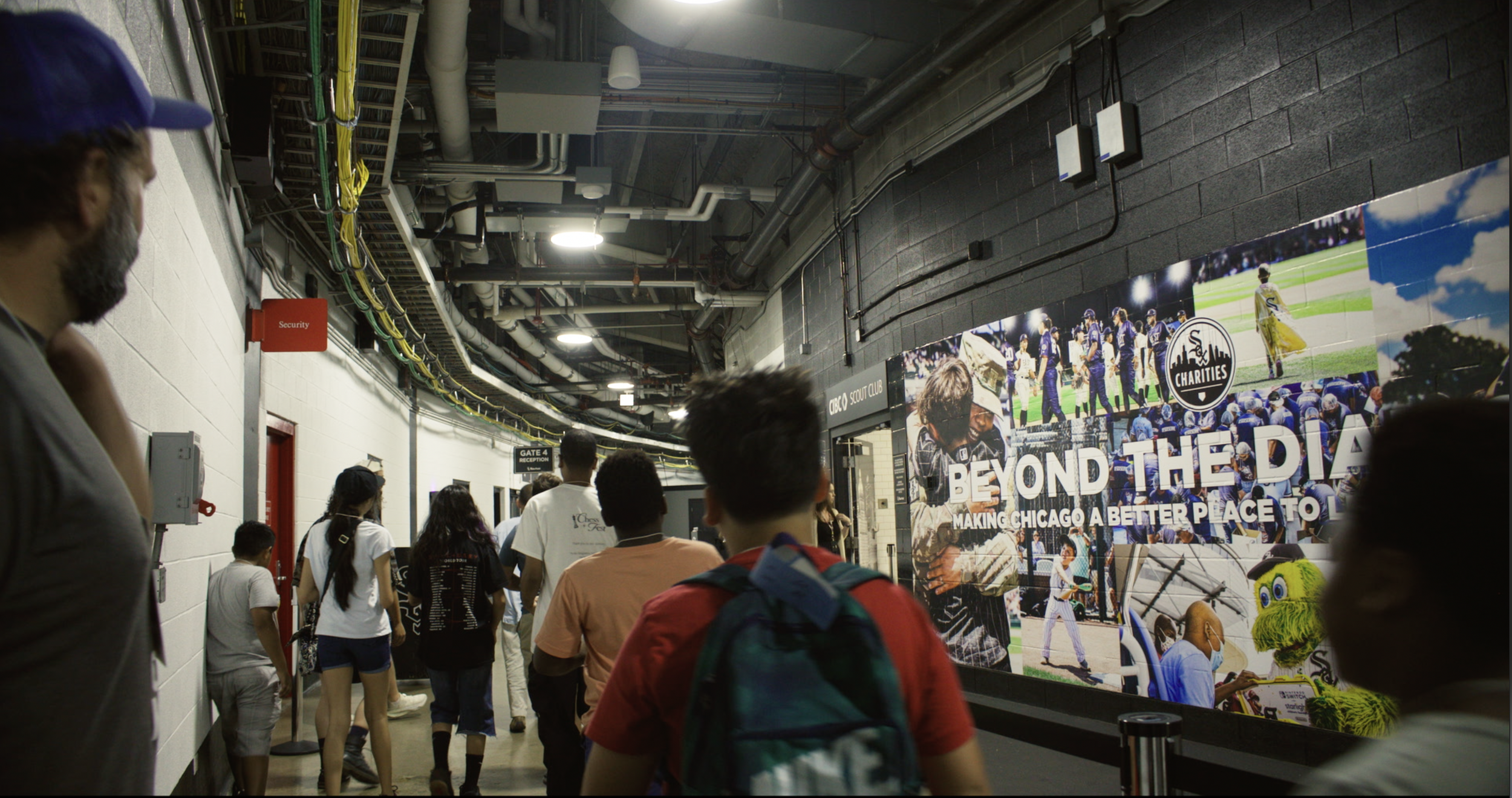
It reminded me that curiosity doesn't need much. Sometimes it just needs a change of scenery.
I also kept thinking about how many people made that afternoon possible. The White Sox organization. Our supporters. Volunteers. Parents who trusted us with their children for the day.
It takes an entire ecosystem to create moments like these.
And that's really what we're trying to build at CCF.
An ecosystem where chess is the first handshake, but not the final destination.
Where learning doesn't stop after checkmate.
Where success isn't measured only by rating points or tournament trophies, but by confidence, relationships, curiosity, and the willingness to say yes when life opens a new door.
Maybe ten years from now none of these students will remember the final score of that game.
I know I wouldn't.
But I hope one of them remembers standing on the grass before forty thousand seats.
I hope they remember feeling like they belonged there.
Because if a single afternoon can make a young person believe they belong in rooms they've never been invited into before, that's a lesson worth teaching.
And as much as I love chess, that's a victory no board can contain.