
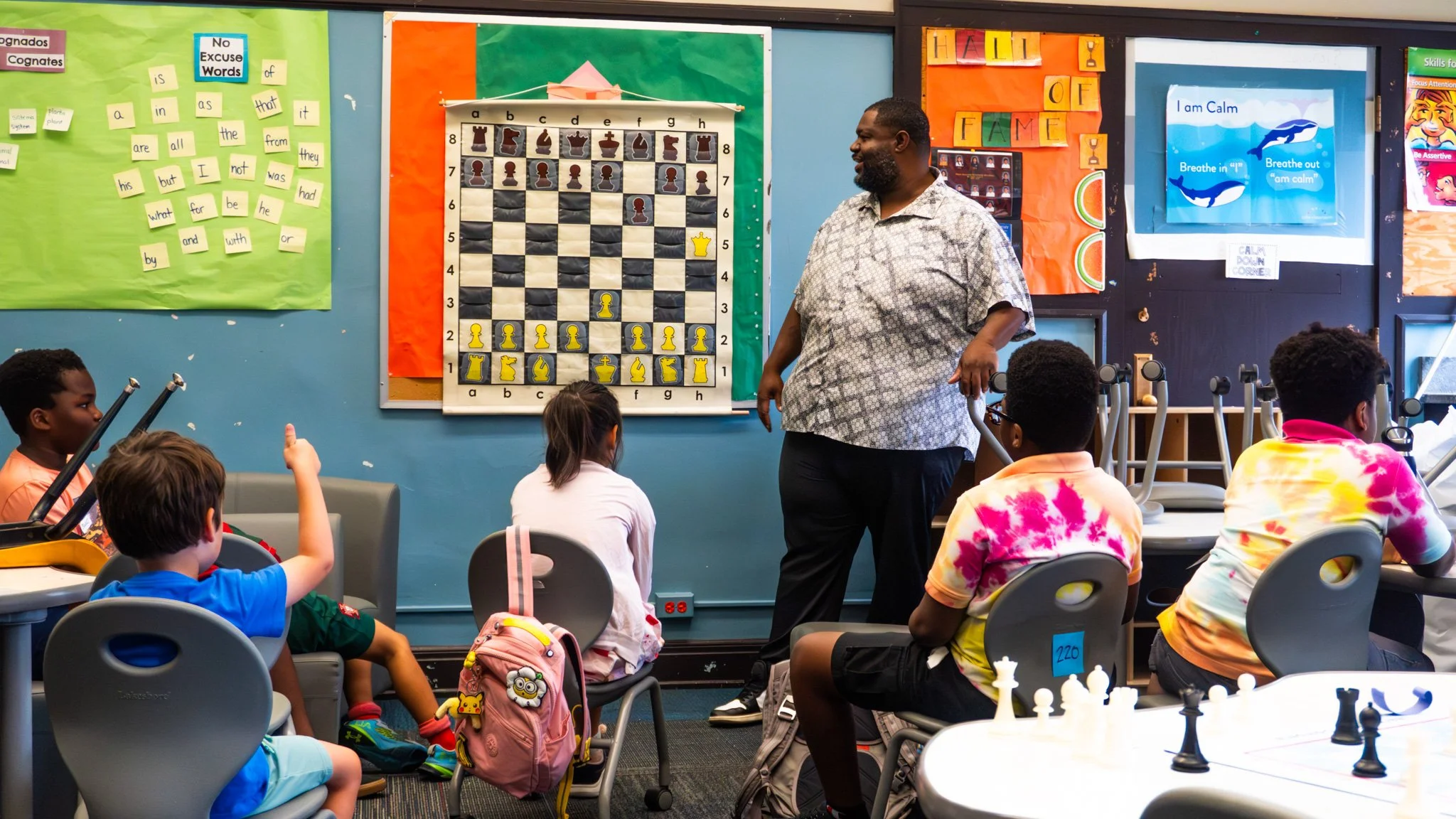
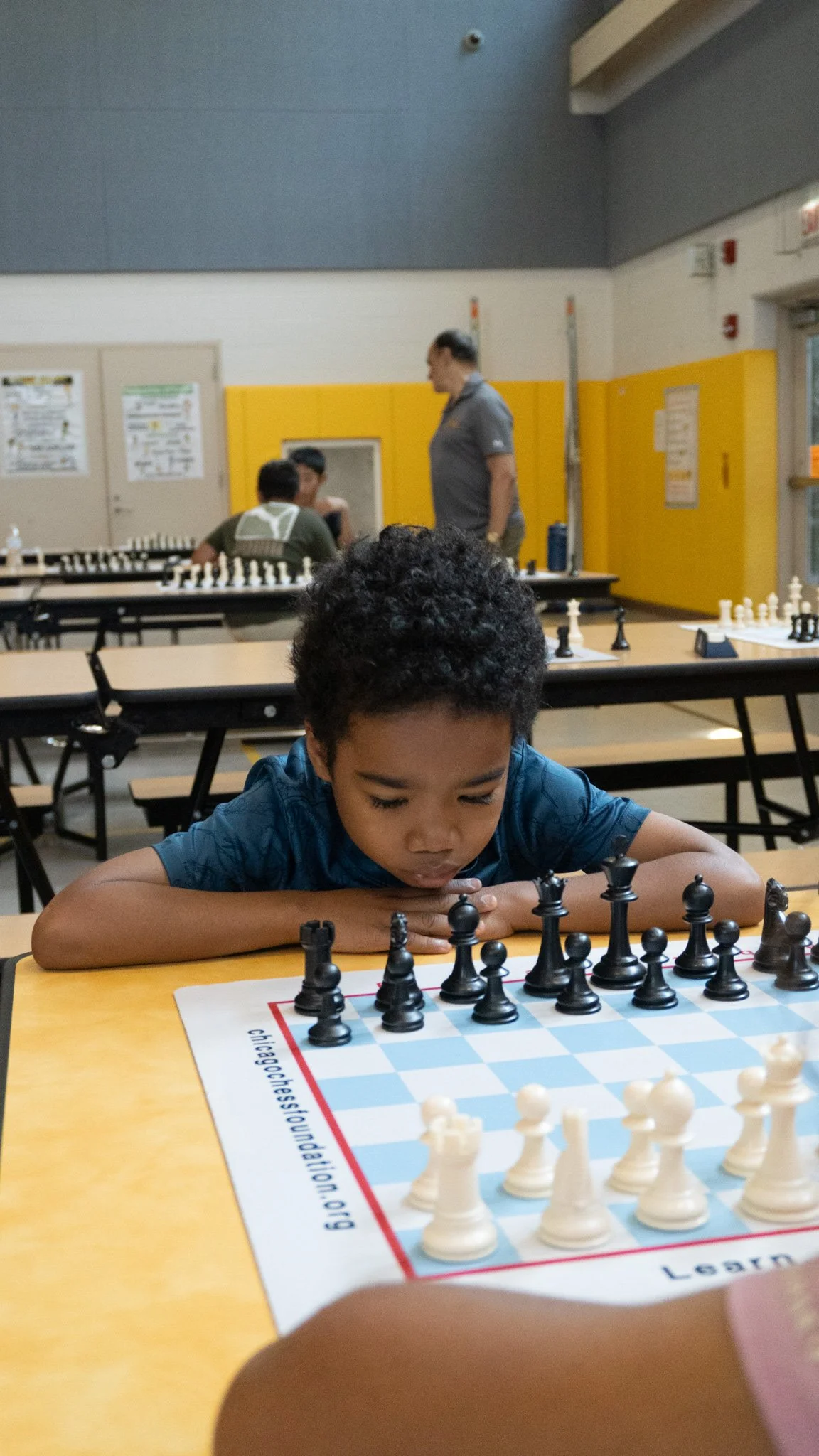
If you asked ten people to picture a chess camp, I imagine you'd get roughly the same answer every time.
A room full of kids.
Rows of boards.
Someone explaining openings.
A tournament at the end of the week.
And to be clear, there's nothing wrong with that.
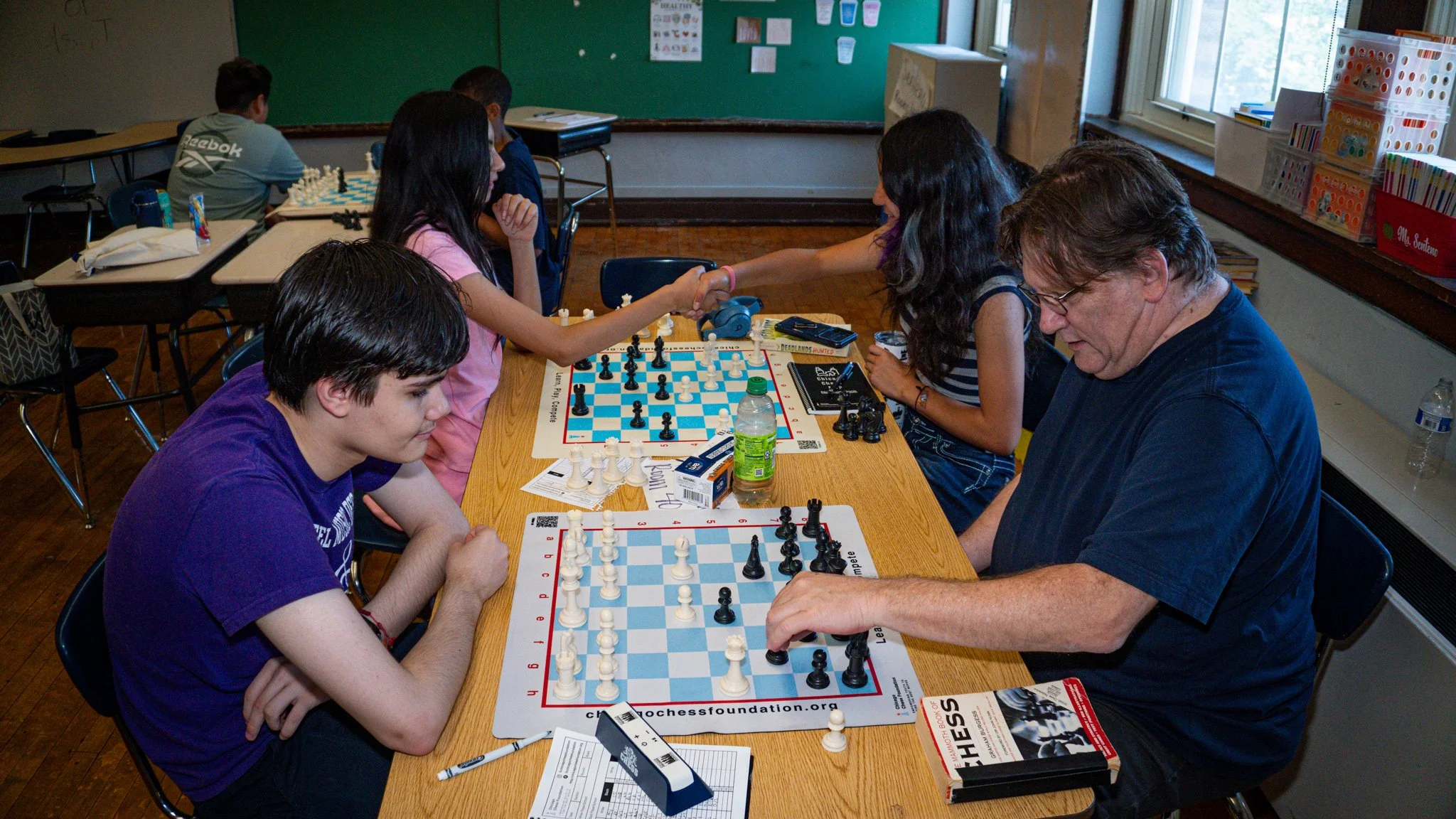
This summer convinced me that the most interesting part of a chess camp has very little to do with chess.
One of the highlights came through our partnership with Blind Services Chicago. Over six sessions, we had the privilege of introducing chess to students with visual impairments. Watching them learn reminded me that accessibility isn't just about removing barriers. It's about believing every person deserves access to the same experiences, the same challenges, and the same joy of discovering something new.
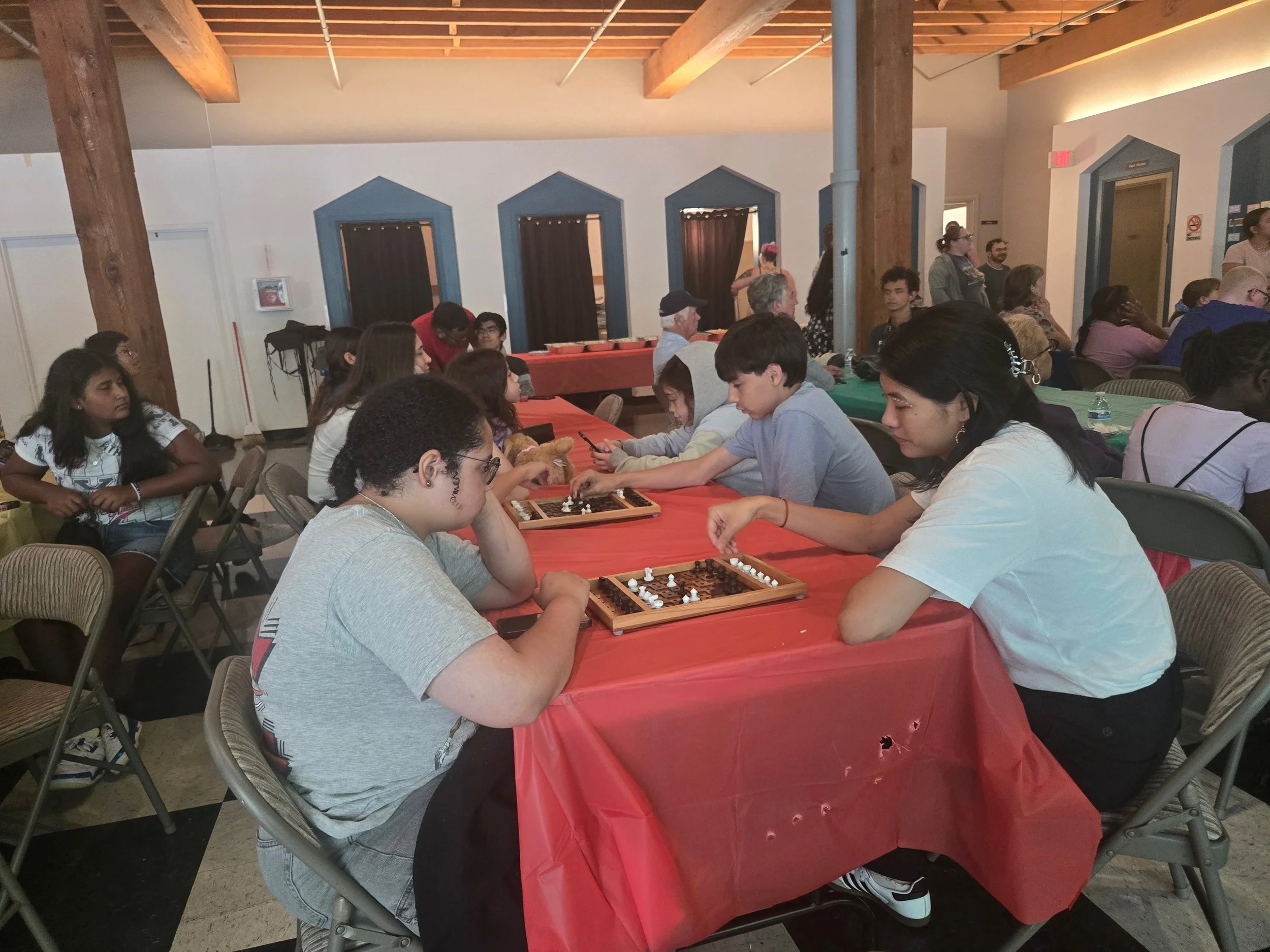
It also reminded me how adaptable chess really is.
The board changes.
The pieces change.
The way you communicate changes.
The game doesn't.
Another afternoon looked completely different.
A friend from the film industry volunteered to spend time with our campers, teaching them the basics of storytelling, camera work, and filmmaking. Over the course of a couple afternoons, they planned, filmed, and edited a short movie together.
On paper, filmmaking has even less to do with chess than baseball.
But creativity has everything to do with learning.
Both ask you to imagine something that doesn't exist yet before you make your first move.
This year we also made a small change that I hope has a lasting impact.
Instead of hosting a kids-only camp at Urban Warriors in Little Village, we opened it to the entire community.
Parents stopped by.
Neighbors wandered in.
People who had never played before pulled up a chair.
Sometimes community isn't built through a grand gesture. Sometimes it's built because someone walking past thinks, What's going on over there?
For us, that matters just as much as the lessons happening on the board.
Our final week of camp begins this August at Tuley Park. Registration has already filled, but there's one part of the week I'm especially excited about.
Students won't just be playing chess.
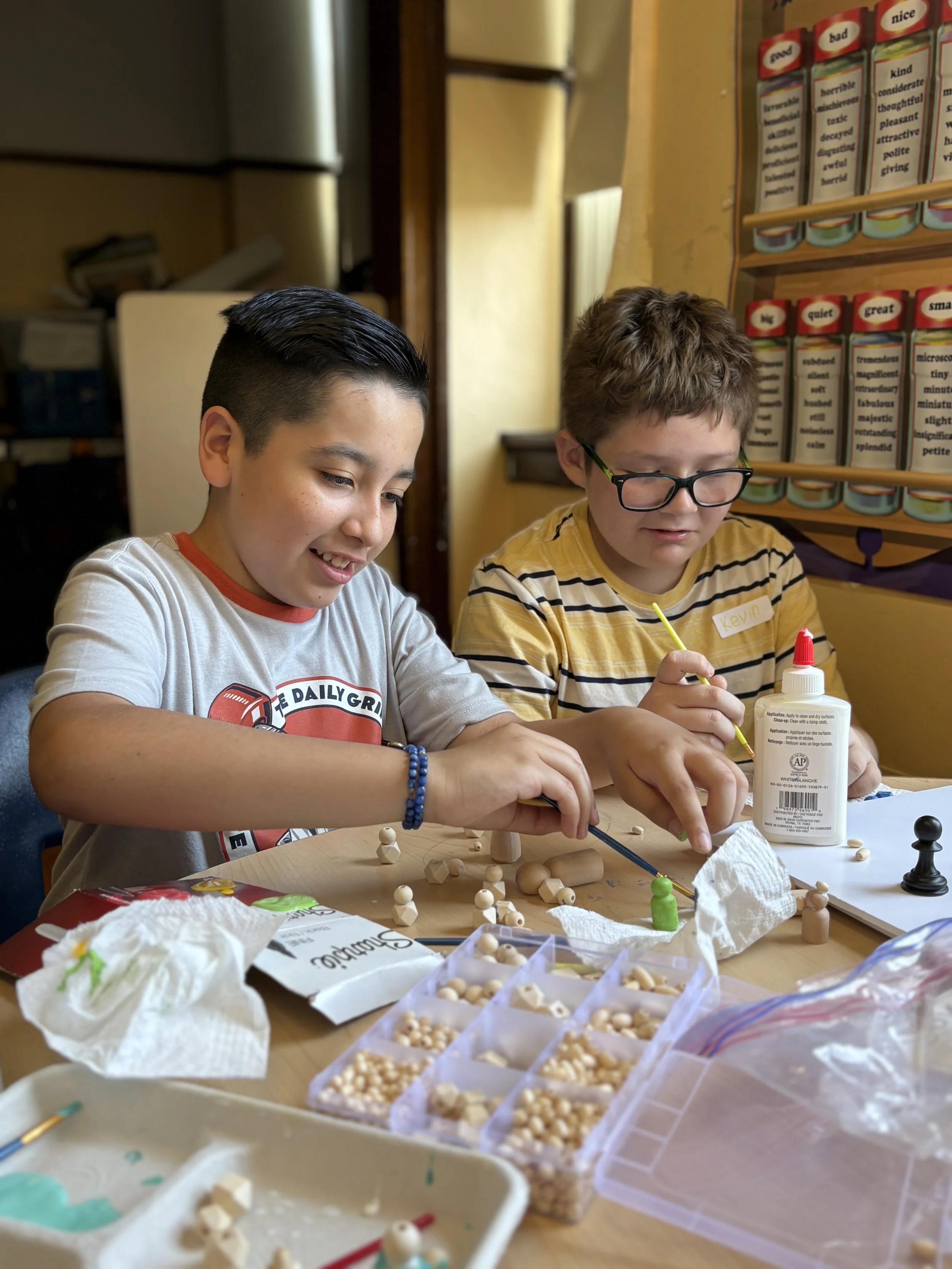
They'll spend time inside a working ceramics studio watching professional artists create custom chess sets by hand.
There's something beautiful about seeing an object you've taken for granted become someone's craft.
A chess piece stops being a pawn or a knight for a moment.
It becomes clay.
Then an idea.
Then art.
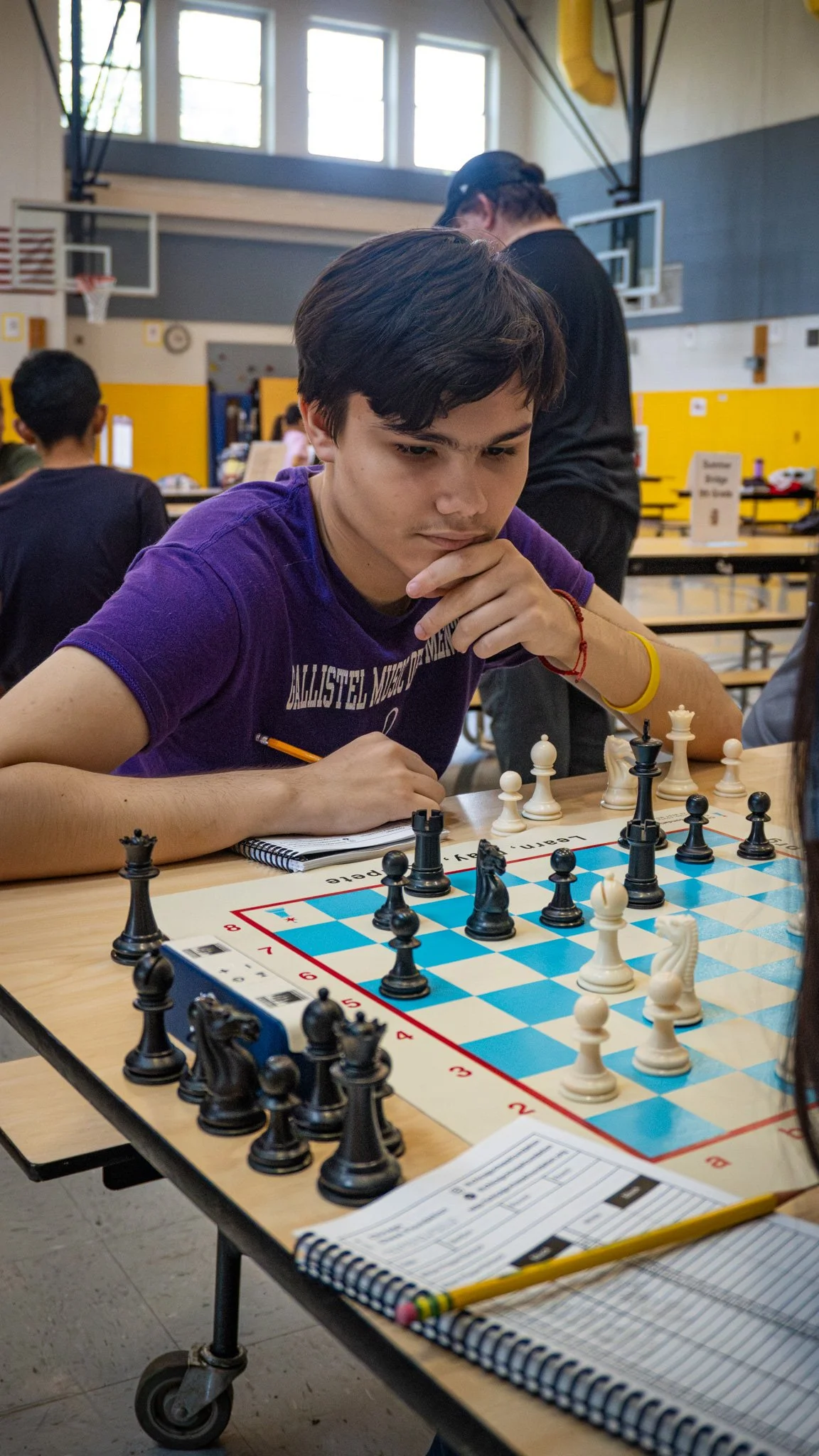
Maybe that's the biggest lesson from this summer.
Chess has this strange ability to connect people who might never have met otherwise.
A filmmaker.
A ceramic artist.
A student learning to read a tactile board.
A neighbor who wandered into camp because they were curious.
The game creates the introduction.
Everything else is what we remember.
And the older I get, the more convinced I become that that's exactly what education should feel like.